Latitude
—
Kilakila is a small open satellite built to test a simple idea: that useful information — news, weather, maps, alerts, critical files — can affordably be broadcast from orbit to the phone already in someone's pocket, with no SIM card, no subscription, and no cell tower on the ground. It reached orbit in June 2025, and it's the first step toward a broadcast network anyone can receive for free, or launch themselves.
Most connectivity is two-way and heavy: towers, fiber, power, billing. On the ground or giant expensive satellites the size of a squash court. Broadcast is the opposite shape. A single transmitter in orbit can reach everyone in its footprint at the same time, and the receiver can be a cheap, low-power device with no subscription and no network of its own.
Kilakila tests datacasting: sending information over wide areas as a one-way broadcast, like FM radio for data. Because the link is one-way and intermittent, content is chunked, carried, and reassembled whenever a pass happens — receivers collect it over time, the way a barrel collects rain, so there's no such thing as a "missed" connection.
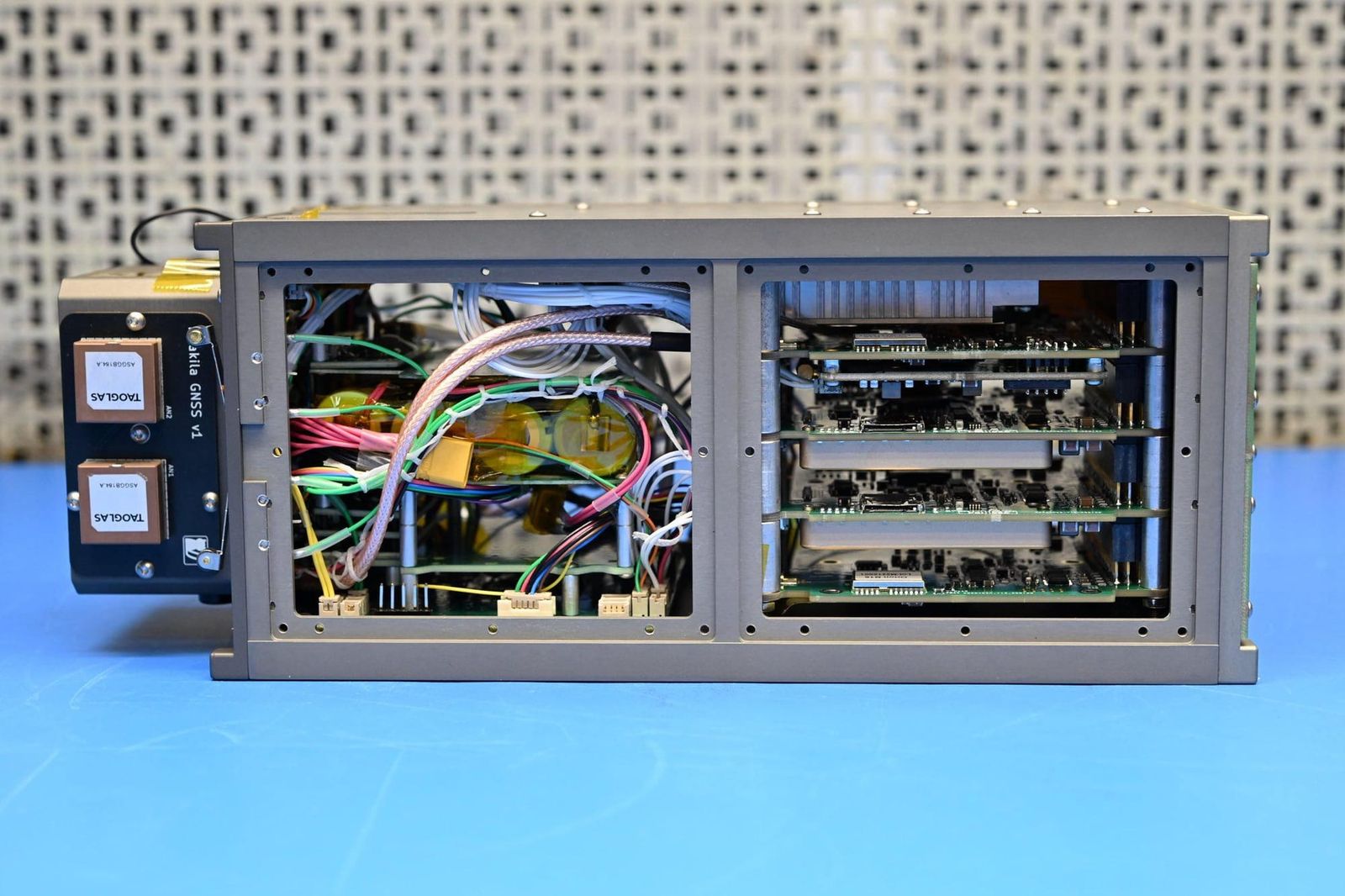
Kilakila circles the Earth about fifteen times a day. Its position is public — computed from the same orbital data anyone can download — so we can show it here.
It uses receivers people already have — cell phones, $30 SDR and DTV dishes, ham radios, LoRa and Bluetooth devices — and a small amount of inexpensive, non-proprietary ground equipment that can be hardened against EMP and kept on standby.
Free to use, with no payment, special hardware, or prior subscription. Datacasting to commodity phones needs no SIM card; a cheap SDR or dish pulls the same broadcast to a computer.
Built to keep working through the disasters that break everything else — solar flare, major quake, cyberwar, or EMP — and cheap and replicable enough to be attritable if orbit gets dangerous.
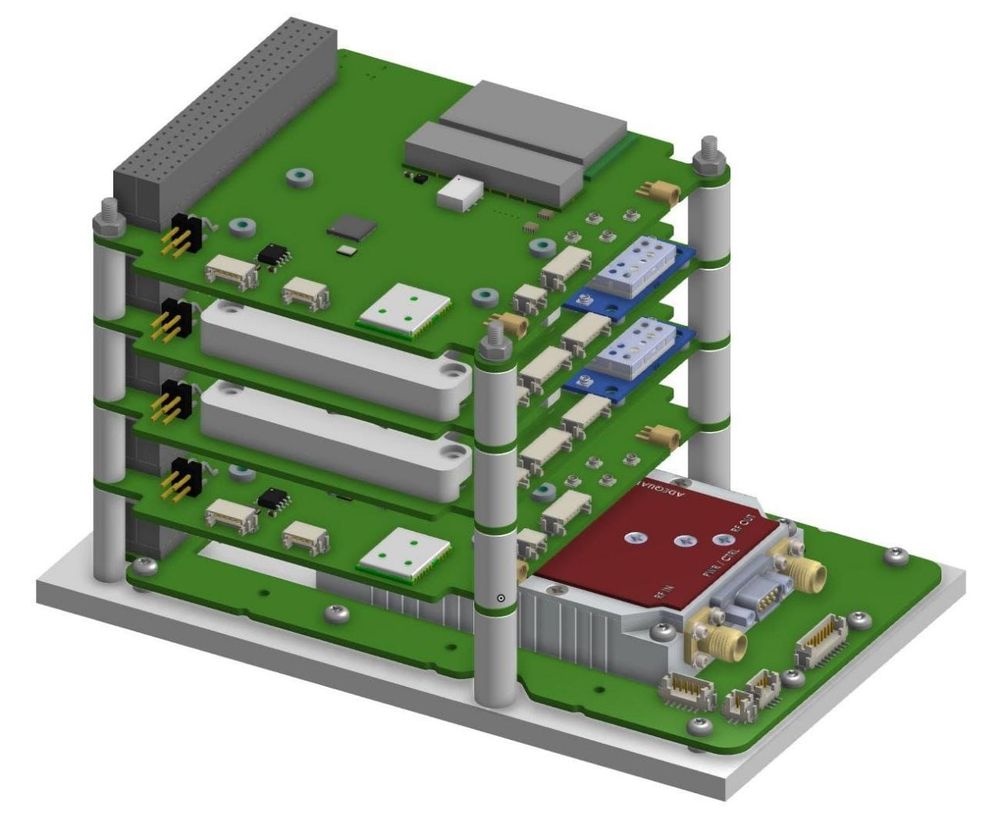
The project began when ALLFED asked how to coordinate feeding people through a global catastrophe with the internet down. Phase one proposed and prototyped a humanitarian, low-cost, open satellite communication system, secured broadcast spectrum and a launch seat, and put Kilakila on orbit in June 2025.
Satellites are a hard way to serve one region well — they sweep the whole planet and visit any place only briefly. For steady disaster response, a promising next shape is high-altitude platform stations: solar-electric aircraft or aerostats that can loiter over one region for weeks, acting as a broadcast mast in the sky, deployable to where the need is. We are investigating partnerships for satellites and high altitude planes where bi-directional communication is easiest.
Alerts and guidance, plus digital files of almost any kind: news, weather, maps, medical advice, radio frequencies, coordinates, software and security updates, documents, audio and video, and mobile apps — anything useful in a man-made or natural disaster.
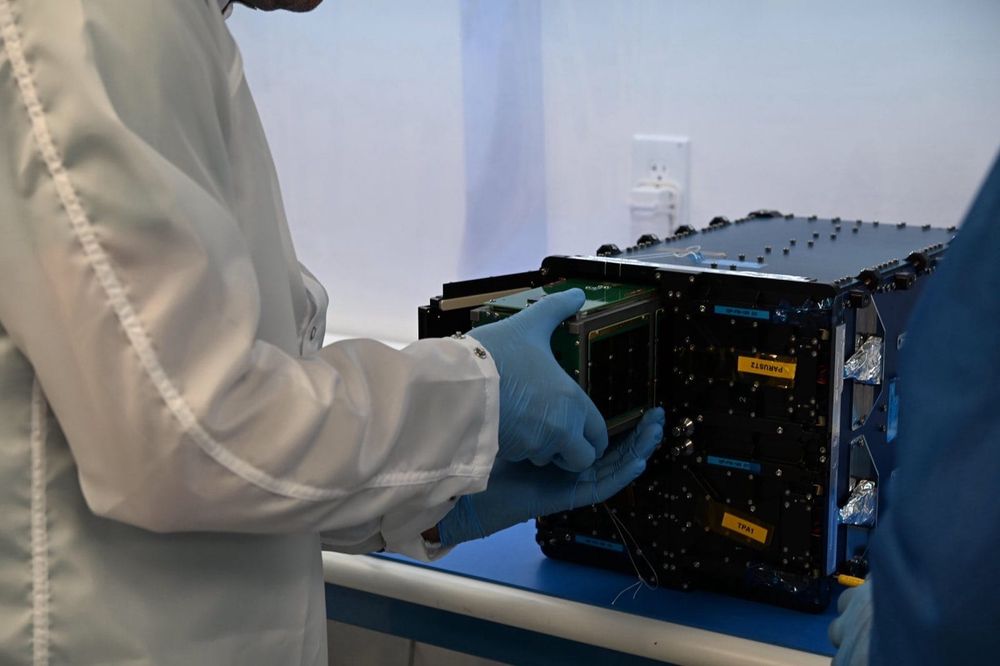
The architecture, the reasoning, and the open ground-station tooling are public — that's most of the value, and it's the part others can reuse. Our satellite is currently for testing only. If you want to work with the entire world of satellites , the open path is the comms station: its observation tools work against openly documented spacecraft — weather and amateur satellites from around the world.